




Microsoft Patents System to Use Idle Gaming PC GPUs for AI Training in Exchange for Rewards
A newly published Microsoft patent details a voluntary system that uses idle gaming PC, laptop, and phone GPUs for AI training in exchange for rewards.

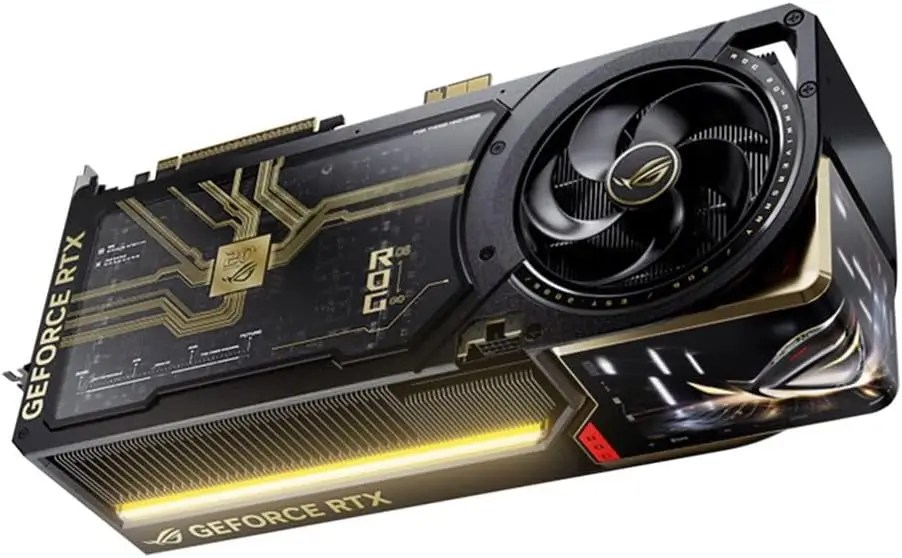
When a gaming rig sits idle between matches, its graphics card rarely breaks a sweat. Microsoft is exploring a way to put that dormant silicon to work, according to a newly published patent application that outlines a decentralized network for artificial intelligence model training.
Table Of Content
Published on November 5, 2026, under reference number US 2026/0349820 A1 and titled “Opportunistic Micro-training on Edge Devices Using Spare GPU Utilization,” the filing describes a framework capable of distributing AI workloads across consumer hardware, including mobile phones, laptops, and high-end gaming PCs. In return, users who volunteer their spare processing power would earn redeemable rewards.
For official patent filings and intellectual property records, visit the United States Patent and Trademark Office Website.
How Opportunistic Micro-Training Works
Training modern AI models typically requires massive, centralized data centers packed with expensive server-grade hardware. Microsoft’s proposed system aims to bypass centralized bottlenecks and ongoing GPU scarcity by breaking massive workloads into smaller pieces.
- Task Decomposition: The system analyzes model dependencies, communication costs, and memory requirements to split massive AI training workloads into independently trainable microtasks.
- Dynamic Scaling: Each microtask is tailored to the specific hardware capabilities of the receiving device. Machines that connect and disconnect unpredictably receive smaller workloads, while reliable devices with proven track records carry greater weight in verifying results.
- Third-Party Marketplace: Rather than serving only Microsoft’s internal AI initiatives, the platform is designed so Microsoft acts as an intermediary, connecting AI developers lacking compute resources with everyday hardware owners.
Thermal Safeguards and Voluntary Rewards
Because gamers and PC enthusiasts are notoriously protective of their hardware longevity and system performance, the patent dedicates significant attention to defining what constitutes an inactive GPU and protecting consumer devices.
- Hardware Monitoring: The software continuously tracks GPU and CPU utilization, VRAM usage, core temperatures, and power draw, dialing back background checks whenever a system is running hot or actively gaming.
- Built-In Protections: The framework includes strict memory caps and automatically pauses training tasks the moment a device heats up or detects user activity.
- Opt-In Rewards: Participation is strictly voluntary and requires prior registration. Contributed compute power is tracked and converted into credits, which users can redeem for free software, direct access to trained AI models, or cash payouts.
While the filing does not specify granular permission tiers or exact payout rates, it reflects the broader tech industry’s push to find creative solutions for high-performance computing shortages. As with all patent applications, filing the paperwork does not guarantee Microsoft will bring the service to market.
Frequently Asked Questions (FAQ)
What is Microsoft’s idle GPU patent?
Patent US 2026/0349820 A1 outlines a system that breaks AI model training into small microtasks and distributes them to idle consumer devices like gaming PCs, laptops, and phones.
Will Microsoft pay users for sharing their GPU power?
According to the patent, participation is voluntary, and users who opt in earn credits based on their contributed processing power that can be exchanged for money, free software, or AI model access.
Could this system damage a gaming PC’s graphics card?
The patent describes built-in safeguards that monitor temperature, power consumption, and memory usage, automatically pausing AI workloads if the hardware gets too hot or becomes active.



No Comment! Be the first one.